

Steebo Tiny Tales 2 in 1 Spout and Straw Sipper Stainless Steel Bottle For Kids 270ml - Pink
R for Rabbit Steebo Tiny Tales Baby Straw Sipper Bottle Say goodbye to messy spills and hello to effortless sipping with R for Rabbits new Steebo Tiny Tales bottles! It’s versatile 2 in 1 spout and straw design is ideal for a growing kid....
- ₹ 998
- ₹ 1,296
- 23% off
 Bestseller

Glass Feeding Bottle 240 ml - Sea Green
R for Rabbit - First Feed Glass Feeding Bottle for Babies As parents, all we want is to provide best for our babies. R for Rabbit brings to you First Feed Glass Feeding Bottle. This bottle is designed with utmost love and care to...
- ₹ 396

Bubble Baby Sipper Bottle 300ml BPA free Poly Propylene Material - Blue
R for Rabbit Premium Bubble Sipper 300 ml | 10 fl oz | Anti Spill Sippy Cup with Soft Silicone Straw BPA Free & Non-Toxic for Baby or Kids of 9 Month Plus Let your child sip the liquids with ease without spilling even...
- ₹ 450
- ₹ 585
- 23% off
Bestseller

Glass Feeding Bottle 120 ml - Lake Blue
R for Rabbit - First Feed Glass Feeding Bottle for Babies As parents, all we want is to provide best for our babies. R for Rabbit brings to you First Feed Glass Feeding Bottle. This bottle is designed with utmost love and care to...
- ₹ 342

Steebo Fusion Spout Cup Stainless Steel Bottle For Kids, 270ml Leak Proof - Pink
R for Rabbit Steebo Fusion Spout Cup Baby Bottle Introducing R for Rabbit’s Steebo Fusion Spout cup bottles, a thoughtfully designed spout bottle that ensures your little one stays hydrated and mess-free. This stainless steel bottle comes with a safe and secure lid that...
- ₹ 998
- ₹ 1,296
- 23% off

First Feed Soft Silicone Teat for Glass Bottles, PP Bottles, and SS Bottles Pack of 2
First Feed Soft Silicone Teat – For Glass Bottles, PP Bottles, and SS Bottles Make feeding time easy and comfortable for your baby. R for Rabbit brings to you First Feed Soft Silicone Teat for R for Rabbit Glass Bottles, PP Bottles, and Stainless...
- ₹ 144

Trunky Baby Straw Sipper Bottle 320ml With Safe BPA free PP Material - Peach Pink
As your baby transitions to independent drinking, having the right sipper is crucial. R for Rabbit introduces its latest sipper bottle Trunky straw sipper, designed to support your child’s development and made with safe BPA free PP Material. Trunky Straw Sipper makes learning to...
- ₹ 450
- ₹ 585
- 23% off

Hippo Straw Sipper Bottle For Babies 300ml - Green
R for Rabbit Premium Hippo Baby Straw Sipper Bottle for Babies Make sipping more enjoyable for your baby with R for Rabbit Hippo Baby Straw Sipper. It is phthalates-free and BPA free making it completely safe for babies. The cute hippo design of the...
- ₹ 450
- ₹ 585
- 23% off

Tritan Dino Straw Sipper Bottle for kids 320ml - Cream Blue
Introducing the Tritan Dino from R for Rabbit - the perfect straw sipper bottle for your baby. Crafted from premium shatterproof Tritan material, known for its durability and resistance to breakage. Tritan is renowned for being unbreakable, BPA-free, and free of harmful substances. With...
- ₹ 640
- ₹ 792
- 19% off

Steebo Zoobie Stainless Steel Sipper Feeding Bottle for Kids 550ml - Blue Dino
Steebo Zoobie Stainless Steel Straw Sipper Bottle Introducing the Steebo Zoobie Stainless Steel Sipper Bottle—the baby feeding bottle to quench your little one’s thirst with a sip of satisfaction! Custom-made with BPA-free material silicone straw, 316 Double Insulated Wall with an anti-skid base, food-grade...
- ₹ 998
- ₹ 1,296
- 23% off

Snozzy Baby Spout Sippy Cup Bottle 240 ML - Green
R for Rabbit Snozzy Baby Spout Sippy Cup Bottle 240 ML Soft Silicon Spout for Baby | Kids of 6 Months + Introduce your baby to a fun sipping time with R for Rabbit Snozzy Baby Spout Cup. Made with Polypropylene & Silicone, this...
- ₹ 450
- ₹ 585
- 23% off

Steebo Safari Stainless Steel Sipper Bottle for Kids 500ml - Pink Bunny
Steebo Safari Stainless Steel Straw Sipper Bottle Introducing the Steebo Safari Stainless Steel Sipper Bottle—the baby feeding bottle to quench your little one’s thirst with a sip of satisfaction! Custom-made with BPA-free material, 304 double-walled insulation with an anti-skid base, food-grade silicone straw, and...
- ₹ 898
- ₹ 1,197
- 25% off

First feed 250 ml PP Feeding Bottle - Sea Green
R for Rabbit PP First Feed Feeding Bottle Anti-Colic 250 ml of 6 Months Plus Feed your baby in the most comfortable way with R For Rabbit First Feed Polypropylene feeding Bottle. First Feed PP Feeding bottle for baby is made with utmost care...
- ₹ 180

First feed 150 ml PP Feeding Bottle - Sea Green
R for Rabbit First Feed PP Plastic Feeding Bottle Anti-Colic 150 ml Feed your baby in the most comfortable way with R For Rabbit First Feed Polypropylene feeding Bottle. First Feed PP Feeding bottle for baby is made with utmost care to make the...
- ₹ 162

Tritan Bumble Sippy Water Bottle For Kids 330ml - Blue
R for Rabbit is introducing the Tritan Bumble - the ultimate sippy bottle for kids! Made from premium quality shatterproof Tritan material it is well known for its durability and in resisting breakage. Designed specifically for children, Tritan material is renowned for being unbreakable,...
- ₹ 698
- ₹ 846
- 17% off

Hygo Care Jumbo Baby Bottle Cleaner Brush Set With Storage Box Removable Draining Tray, Drying Rack - Beige
Welcome to the world of innovative baby care with Hygo Care Jumbo! This ingenious cleaning kit from R for Rabbit is designed to make baby bottle hygiene effortless. Combining practicality with ease, R for Rabbit’s Hygo Care Jumbo ensures your baby's feeding accessories remain...
- ₹ 498
- ₹ 639
- 22% off

Hygo Care Teddy Baby Feeding Bottle Cleaner Brush Set With Storage Box, Bottle Brush, Straw Brush and Nipple Brush - Grey Blue
R for Rabbit presents Hygo Care Teddy, a revolutionary solution for effortless baby bottle cleaning and maintenance. Designed to simplify your daily routine, Hygo Care Teddy ensures safe and effective cleaning for your baby's feeding essentials. Transform your baby's feeding experience with R for...
- ₹ 548
- ₹ 693
- 21% off

Spikey Baby Straw Sipper Bottle 320ml With Soft Silicone Straw and Leak Proof - Lake Blue
Make every sip a delight for your child with R for Rabbit’s Spikey Straw Sipper bottle. This bottle offers a seamless mess free drinking experience. With its smart, ergonomic design and safety focused features it offers support for your little ones growing needs providing...
- ₹ 450
- ₹ 585
- 23% off

Premium Baloo Baby Straw Sipper Bottle 300 ML - Pink
R for Rabbit Premium Baloo Baby Straw Sipper Bottle Take your kid a step closer to independence with R for Rabbit Baloo Baby Straw Sipper. This BPA-free sipper is made of PolyPropylene and Silicone material which is completely safe for the baby. Its weighted...
- ₹ 450
- ₹ 585
- 23% off
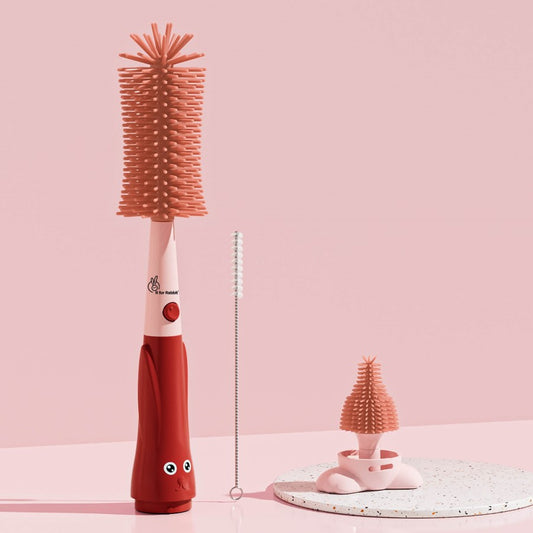
Hygo Care Bunny Baby Feeding Bottle Cleaner 3-in-1 Multipurpose Brush Set - Red
R for Rabbit proudly introduces Hygo Care Bunny! This versatile and travel-friendly cleaning companion is designed to make your life easier and your baby's essentials spotless. The Hygo Care Bunny with its cute design and innovative features, is perfect for parents on the go....
- ₹ 450
- ₹ 594
- 24% off

Tritan Baloo Straw Sipper Bottle 1000ml BPA free Tritan Material with Silicone Straw - Pink
Introducing Tritan Baloo Baby Straw Sipper Bottle – the perfect sipper bottle for your little munchkin! It comes with a BPA free, leak-proof, and shatter-proof Tritan material, thus making it the best sipper bottle for babies. This sipper water bottle is designed to be...
- ₹ 596
- ₹ 891
- 33% off

Tritan Astro Baby Straw Sipper Bottle 1000ml - White
Introducing Tritan Astro Baby Straw Sipper Bottle—the perfect feeding bottle for your little munchkin! It comes with a BPA-free, leak-proof, and shatter-proof Tritan material, thus making it the best water-feeding bottle for babies. This sipper water bottle is designed to be anti-spill with a...
- ₹ 596
- ₹ 891
- 33% off

Steebo Smiley 300ml Stainless Steel Straw Sipper Bottle for Babies with 304 Double Wall Insulation, BPA-Free Silicone Straw, Leak-Proof Lid & BIS Certified Safety (9+ Months) - Smiley Peach
R for Rabbit presents the new Steebo Smiley Stainless Steel Straw Sipper Bottle for Babies! Make every sip a reason to smile with the R for Rabbit Steebo Smiley, the perfect hydration companion for your growing toddler. Thoughtfully designed for comfort, safety, and style,...
- ₹ 998
- ₹ 1,249
- 20% off

I am A Panda
Some children are simply born with the panda's philosophy: eat with devotion, sleep without apology, and approach the world with a calm, unhurried certainty that everything will be fine. This bottle was made for that child. R for Rabbit and Cuppa Doodle come together...
- ₹ 1,395

I Drive Mom & Dad Crazy
Every household has one, the small sovereign who dismantles routines, rearranges priorities, and fills every room with a particular brand of beautiful chaos that you would not trade for anything else. This bottle is theirs. The I Drive Mom & Dad Crazy design is...
- ₹ 1,395

I am A Little Dreamer
There are children who live at a slight distance from reality, always a little elsewhere, always mid-thought, always halfway between this world and one far more interesting. The I Am A Little Dreamer edition was conceived for that child. A Cuppa Doodle original illustration,...
- ₹ 1,395

I Show Big Emotions
Confidence, it turns out, is not taught. Some children simply arrive with it: radiant, unhurried, and entirely at ease with who they are from the very first morning. The I Show Big Emotions edition celebrates exactly that. An original illustration by Cuppa Doodle, exclusive...
- ₹ 1,395

Steebo Smiley 300ml Stainless Steel Straw Sipper Bottle for Babies with 304 Double Wall Insulation, BPA-Free Silicone Straw, Leak-Proof Lid & BIS Certified Safety (9+ Months) - Smiley Blue
R for Rabbit presents the new Steebo Smiley Stainless Steel Straw Sipper Bottle for Babies! Make every sip a reason to smile with the R for Rabbit Steebo Smiley, the perfect hydration companion for your growing toddler. Thoughtfully designed for comfort, safety, and style,...
- ₹ 998
- ₹ 1,249
- 20% off

Spikey Baby Straw Sipper Bottle 320ml With Soft Silicone Straw and Leak Proof - Peach Pink
Make every sip a delight for your child with R for Rabbit’s Spikey Straw Sipper bottle. This bottle offers a seamless mess free drinking experience. With its smart, ergonomic design and safety focused features it offers support for your little ones growing needs providing...
- ₹ 450
- ₹ 585
- 23% off

Trunky Baby Straw Sipper Bottle 320ml With Safe BPA free PP Material - Lake Blue
As your baby transitions to independent drinking, having the right sipper is crucial. R for Rabbit introduces its latest sipper bottle Trunky straw sipper, designed to support your child’s development and made with safe BPA free PP Material. Trunky Straw Sipper makes learning to...
- ₹ 450
- ₹ 585
- 23% off

Tritan Baloo Straw Sipper Bottle 1000ml BPA free Tritan Material with Silicone Straw - Blue
Introducing Tritan Baloo Baby Straw Sipper Bottle – the perfect sipper bottle for your little munchkin! It comes with a BPA free, leak-proof, and shatter-proof Tritan material, thus making it the best sipper bottle for babies. This sipper water bottle is designed to be...
- ₹ 596
- ₹ 891
- 33% off

Tritan Baloo Straw Sipper Bottle 1000ml BPA free Tritan Material with Silicone Straw - Brown
Introducing Tritan Baloo Baby Straw Sipper Bottle – the perfect sipper bottle for your little munchkin! It comes with a BPA free, leak-proof, and shatter-proof Tritan material, thus making it the best sipper bottle for babies. This sipper water bottle is designed to be...
- ₹ 596
- ₹ 891
- 33% off

Tritan Baloo Straw Sipper Bottle 1000ml BPA free Tritan Material with Silicone Straw - Green
Introducing Tritan Baloo Baby Straw Sipper Bottle – the perfect sipper bottle for your little munchkin! It comes with a BPA free, leak-proof, and shatter-proof Tritan material, thus making it the best sipper bottle for babies. This sipper water bottle is designed to be...
- ₹ 596
- ₹ 891
- 33% off

Tritan Astro Baby Straw Sipper Bottle 1000ml - Black
Introducing Tritan Astro Baby Straw Sipper Bottle—the perfect feeding bottle for your little munchkin! It comes with a BPA-free, leak-proof, and shatter-proof Tritan material, thus making it the best water-feeding bottle for babies. This sipper water bottle is designed to be anti-spill with a...
- ₹ 670
- ₹ 891
- 25% off

Tritan Astro Baby Straw Sipper Bottle 1000ml - Pink
Introducing Tritan Astro Baby Straw Sipper Bottle—the perfect feeding bottle for your little munchkin! It comes with a BPA-free, leak-proof, and shatter-proof Tritan material, thus making it the best water-feeding bottle for babies. This sipper water bottle is designed to be anti-spill with a...
- ₹ 596
- ₹ 891
- 33% off

Tritan Astro Baby Straw Sipper Bottle 1000ml - Purple
Introducing Tritan Astro Baby Straw Sipper Bottle—the perfect feeding bottle for your little munchkin! It comes with a BPA-free, leak-proof, and shatter-proof Tritan material, thus making it the best water-feeding bottle for babies. This sipper water bottle is designed to be anti-spill with a...
- ₹ 596
- ₹ 891
- 33% off

Steebo Safari Stainless Steel Sipper Bottle for Kids 500ml - Blue Dino
Steebo Safari Stainless Steel Straw Sipper Bottle Introducing the Steebo Safari Stainless Steel Sipper Bottle—the baby feeding bottle to quench your little one’s thirst with a sip of satisfaction! Custom-made with BPA-free material, 304 double-walled insulation with an anti-skid base, food-grade silicone straw, and...
- ₹ 898
- ₹ 1,197
- 25% off

Steebo Safari Stainless Steel Sipper Bottle for Kids 500ml - Blue Lion
Steebo Safari Stainless Steel Straw Sipper Bottle Introducing the Steebo Safari Stainless Steel Sipper Bottle—the baby feeding bottle to quench your little one’s thirst with a sip of satisfaction! Custom-made with BPA-free material, 304 double-walled insulation with an anti-skid base, food-grade silicone straw, and...
- ₹ 898
- ₹ 1,197
- 25% off

Steebo Safari Stainless Steel Sipper Bottle for Kids 500ml - Orange Giffy
Steebo Safari Stainless Steel Straw Sipper Bottle Introducing the Steebo Safari Stainless Steel Sipper Bottle—the baby feeding bottle to quench your little one’s thirst with a sip of satisfaction! Custom-made with BPA-free material, 304 double-walled insulation with an anti-skid base, food-grade silicone straw, and...
- ₹ 898
- ₹ 1,197
- 25% off

Steebo Zoobie Stainless Steel Sipper Feeding Bottle for Kids 550ml - Blue Deer
Steebo Zoobie Stainless Steel Straw Sipper Bottle Introducing the Steebo Zoobie Stainless Steel Sipper Bottle—the baby feeding bottle to quench your little one’s thirst with a sip of satisfaction! Custom-made with BPA-free material silicone straw, 316 Double Insulated Wall with an anti-skid base, food-grade...
- ₹ 998
- ₹ 1,296
- 23% off

Steebo Zoobie Stainless Steel Sipper Feeding Bottle for Kids 550ml - Pink Bunny
Steebo Zoobie Stainless Steel Straw Sipper Bottle Introducing the Steebo Zoobie Stainless Steel Sipper Bottle—the baby feeding bottle to quench your little one’s thirst with a sip of satisfaction! Custom-made with BPA-free material silicone straw, 316 Double Insulated Wall with an anti-skid base, food-grade...
- ₹ 998
- ₹ 1,296
- 23% off

Steebo Zoobie Stainless Steel Sipper Feeding Bottle for Kids 550ml - Yellow Lion
Steebo Zoobie Stainless Steel Straw Sipper Bottle Introducing the Steebo Zoobie Stainless Steel Sipper Bottle—the baby feeding bottle to quench your little one’s thirst with a sip of satisfaction! Custom-made with BPA-free material silicone straw, 316 Double Insulated Wall with an anti-skid base, food-grade...
- ₹ 998
- ₹ 1,296
- 23% off

Tritan Bumble Sippy Water Bottle For Kids 330ml - Green
R for Rabbit is introducing the Tritan Bumble - the ultimate sippy bottle for kids! Made from premium quality shatterproof Tritan material it is well known for its durability and in resisting breakage. Designed specifically for children, Tritan material is renowned for being unbreakable,...
- ₹ 698
- ₹ 846
- 17% off

Tritan Dino Straw Sipper Bottle for kids 320ml - Pink Blue
Introducing the Tritan Dino from R for Rabbit - the perfect straw sipper bottle for your baby. Crafted from premium shatterproof Tritan material, known for its durability and resistance to breakage. Tritan is renowned for being unbreakable, BPA-free, and free of harmful substances. With...
- ₹ 640
- ₹ 792
- 19% off

Tritan Dino Straw Sipper Bottle for kids 320ml - Yellow Blue
Introducing the Tritan Dino from R for Rabbit - the perfect straw sipper bottle for your baby. Crafted from premium shatterproof Tritan material, known for its durability and resistance to breakage. Tritan is renowned for being unbreakable, BPA-free, and free of harmful substances. With...
- ₹ 640
- ₹ 792
- 19% off

Snozzy Baby Spout Sippy Cup Bottle 240 ML - Yellow
R for Rabbit Snozzy Baby Spout Sippy Cup Bottle 240 ML Soft Silicon Spout for Baby | Kids of 6 Months + Introduce your baby to a fun sipping time with R for Rabbit Snozzy Baby Spout Cup. Made with Polypropylene & Silicone, this...
- ₹ 450
- ₹ 585
- 23% off

Hippo Straw Sipper Bottle For Babies 300ml - Yellow
R for Rabbit Premium Hippo Baby Straw Sipper Bottle for Babies Make sipping more enjoyable for your baby with R for Rabbit Hippo Baby Straw Sipper. It is phthalates-free and BPA free making it completely safe for babies. The cute hippo design of the...
- ₹ 450
- ₹ 585
- 23% off

Premium Baloo Baby Straw Sipper Bottle 300 ML - Blue
R for Rabbit Premium Baloo Baby Straw Sipper Bottle Take your kid a step closer to independence with R for Rabbit Baloo Baby Straw Sipper. This BPA-free sipper is made of PolyPropylene and Silicone material which is completely safe for the baby. Its weighted...
- ₹ 450
- ₹ 585
- 23% off

Glass Feeding Bottle 240 ml - Lake Blue
R for Rabbit - First Feed Glass Feeding Bottle for Babies As parents, all we want is to provide best for our babies. R for Rabbit brings to you First Feed Glass Feeding Bottle. This bottle is designed with utmost love and care to...
- ₹ 396

Bubble Baby Sipper Bottle 300ml BPA free Poly Propylene Material - Yellow
R for Rabbit Premium Bubble Sipper 300 ml | 10 fl oz | Anti Spill Sippy Cup with Soft Silicone Straw BPA Free & Non-Toxic for Baby or Kids of 9 Month Plus Let your child sip the liquids with ease without spilling even...
- ₹ 450
- ₹ 585
- 23% off

Bubble Baby Sipper Bottle 300ml BPA free Poly Propylene Material - Purple
R for Rabbit Premium Bubble Sipper 300 ml | 10 fl oz | Anti Spill Sippy Cup with Soft Silicone Straw BPA Free & Non-Toxic for Baby or Kids of 9 Month Plus Let your child sip the liquids with ease without spilling even...
- ₹ 450
- ₹ 585
- 23% off

First feed 250 ml PP Feeding Bottle - Lake Blue
R for Rabbit PP First Feed Feeding Bottle Anti-Colic 250 ml of 6 Months Plus Feed your baby in the most comfortable way with R For Rabbit First Feed Polypropylene feeding Bottle. First Feed PP Feeding bottle for baby is made with utmost care...
- ₹ 180

First feed 150 ml PP Feeding Bottle - Lake Blue
R for Rabbit First Feed PP Plastic Feeding Bottle Anti-Colic 150 ml Feed your baby in the most comfortable way with R For Rabbit First Feed Polypropylene feeding Bottle. First Feed PP Feeding bottle for baby is made with utmost care to make the...
- ₹ 162

Steebo Fusion Spout Cup Stainless Steel Bottle For Kids, 270ml Leak Proof - Beige Pear
R for Rabbit Steebo Fusion Spout Cup Baby Bottle Introducing R for Rabbit’s Steebo Fusion Spout cup bottles, a thoughtfully designed spout bottle that ensures your little one stays hydrated and mess-free. This stainless steel bottle comes with a safe and secure lid that...
- ₹ 998
- ₹ 1,296
- 23% off

Steebo Fusion Spout Cup Stainless Steel Bottle For Kids, 270ml Leak Proof - Beige
R for Rabbit Steebo Fusion Spout Cup Baby Bottle Introducing R for Rabbit’s Steebo Fusion Spout cup bottles, a thoughtfully designed spout bottle that ensures your little one stays hydrated and mess-free. This stainless steel bottle comes with a safe and secure lid that...
- ₹ 998
- ₹ 1,296
- 23% off

Steebo Fusion Spout Cup Stainless Steel Bottle For Kids, 270ml Leak Proof - Lake Blue
R for Rabbit Steebo Fusion Spout Cup Baby Bottle Introducing R for Rabbit’s Steebo Fusion Spout cup bottles, a thoughtfully designed spout bottle that ensures your little one stays hydrated and mess-free. This stainless steel bottle comes with a safe and secure lid that...
- ₹ 998
- ₹ 1,296
- 23% off

Steebo Tiny Tales 2 in 1 Spout and Straw Sipper Stainless Steel Bottle For Kids 270ml - Beige
R for Rabbit Steebo Tiny Tales Baby Straw Sipper Bottle Say goodbye to messy spills and hello to effortless sipping with R for Rabbits new Steebo Tiny Tales bottles! It’s versatile 2 in 1 spout and straw design is ideal for a growing kid....
- ₹ 998
- ₹ 1,296
- 23% off

Steebo Tiny Tales 2 in 1 Spout and Straw Sipper Stainless Steel Bottle For Kids 270ml - Lake Blue
R for Rabbit Steebo Tiny Tales Baby Straw Sipper Bottle Say goodbye to messy spills and hello to effortless sipping with R for Rabbits new Steebo Tiny Tales bottles! It’s versatile 2 in 1 spout and straw design is ideal for a growing kid....
- ₹ 998
- ₹ 1,296
- 23% off

Steebo Duo 2-in-1 Stainless Steel Straw Sipper Bottle 500ml with Double Wall Insulation, Leak Proof Lockable Lid & Anti-Colic Design - Almond Cream
R for Rabbit is introducing the new Steebo Duo Stainless Steel Straw Sipper Bottle for babies and kids with dual lids for dual different drinking styles. The perfect hydration companion for your growing toddler. Thoughtfully designed with 2 in 1 straw and spout sipper...
- ₹ 1,098
- ₹ 1,395
- 21% off

Steebo Duo 2-in-1 Stainless Steel Straw Sipper Bottle 500ml with Double Wall Insulation, Leak Proof Lockable Lid & Anti-Colic Design - Ice Blue
R for Rabbit is introducing the new Steebo Duo Stainless Steel Straw Sipper Bottle for babies and kids with dual lids for dual different drinking styles. The perfect hydration companion for your growing toddler. Thoughtfully designed with 2 in 1 straw and spout sipper...
- ₹ 1,098
- ₹ 1,395
- 21% off

Free Shipping
On all orders over ₹499

Money Back Guarantee
15 days after you purchase*

5 Million+ Happy Parents

Have a Question? Call us on
+91-7348340934 | +91-7968218200
From First Feed to First Sipper, All in One Place
At R for Rabbit, we offer 58 baby feeding bottles and sippers across four materials: PP plastic, borosilicate glass, shatterproof Tritan, and stainless steel. The range covers milk feeding bottles for newborns, straw sippers for toddlers, spout cups for the in-between stage, cleaning brush sets, and replacement teats in S, M, and L sizes. Prices start at ₹162 and go up to ₹1,395 for our limited edition Cuppa Doodle steel sippers.
Every baby milk bottle and sipper in this collection is BPA free, phthalate free, and made from food-grade safe material. Our PP and glass bottles are anti-colic with vented teat designs.
The Feeding Journey: What Bottle at What Age?
Your baby won't use the same bottle at 2 months and 18 months. The right bottle changes as your child's mouth, grip, and feeding skills grow. Here's the progression most Indian paediatricians recommend for your baby:
|
Age |
Feeding Stage |
Best Bottle Type |
R for Rabbit Pick |
|
0 to 3 months |
Newborn milk feeds |
PP or glass bottle, slow-flow teat (Size S) |
First Feed PP 150ml (₹162), First Feed Glass 120ml (₹342) |
|
3 to 6 months |
Growing appetite, mixed feeding |
PP or glass bottle, medium-flow teat (Size M) |
First Feed PP 250ml (₹180), First Feed Glass 240ml (₹396) |
|
6 to 9 months |
Water, juice, dal ka paani |
Spout sippy cup |
Snozzy Spout Cup (₹446), Penguin Spout Cup |
|
9 to 18 months |
Bottle to sipper transition |
Straw sipper in PP, Tritan, or steel |
Bubble (₹446), Trunky (₹446), Tritan Dino (₹634) |
|
18 months to 3+ years |
Independent drinking, school bottle |
Large straw sipper or insulated steel bottle |
Steebo Safari 500ml (₹889), Steebo Zoobie 550ml (₹989), Tritan Astro 1000ml (₹596) |
One common mistake is delaying the transition from a feeding bottle to a sipper for too long. It is recommended to start the shift from bottle to sipper between 6 and 9 months. A sipper bottle for babies builds independent drinking skills and is easier on developing teeth.
PP vs Glass vs Stainless Steel vs Tritan: The Material Decision
Each material has a clear strength and a clear trade-off. No single one is "best" for every stage. Here’s the comparison:
|
Material |
Best For |
Durability |
Safety |
R for Rabbit Price |
|
PP plastic |
Budget-friendly daily use, travel |
Scratches over time, replace every 4 to 6 months |
BPA free, BPS free, food-grade |
₹162 to ₹180 |
|
Borosilicate glass |
For parents who want no added chemicals |
Tough but can still crack on hard tile floors |
No chemicals released when heated |
₹342 to ₹396 |
|
Tritan |
Toddler sippers, drop-proof everyday use |
Very strong, lasts years without odour |
BPA free, shatterproof, no smell retention |
₹596 to ₹691 |
|
Stainless steel (304/316) |
Insulated bottles, hot and cold milk, school |
Most durable, years of daily use |
No chemical leaching, food-grade 304 or 316 |
₹889 to ₹998 |
For newborns under 3 months, a glass feeding bottle for baby use is the safest pick because nothing leaches into the milk, even during sterilization. A baby bottle glass model works well until your baby starts grabbing and dropping things (around 5 to 6 months). After that, Tritan or a steel feeding bottle for baby use takes over, because you won't be sweeping up broken glass every morning.
If budget matters most, the PP First Feed range at ₹162 is a solid BPA free feeding bottle that does the job for the first 6 months. Replace it every 4 to 6 months and you're sorted.
A stainless steel sipper bottle becomes worth the investment from 9 months onwards, when your child starts carrying their own bottle and you need something that survives being thrown off a high chair twice a day.
Teat Sizes Explained: S, M, L and When to Switch
The teat controls how fast milk flows. If the flow is too fast, your newborn may struggle to keep up, cough, or gag. If it's too slow, an older baby may get frustrated and refuse the bottle.
|
Size |
Flow |
Best Age |
|
S (Slow) |
Slow drip, about 1 drop per second |
0 to 3 months (newborn) |
|
M (Medium) |
Steady flow |
3 to 6 months |
|
L (Fast) |
Free flow |
6+ months |
Two signs it's time to size up:
● Feeds are taking more than 30 minutes: That usually means the flow is too slow for your baby's current sucking strength.
● Your baby gets fussy, pulls away, or bites the teat: Moving up one size often fixes this within a day.
R for Rabbit sells replaceable baby bottle nipple teats in all three sizes. They fit our PP, glass, and stainless steel bottles. A pack of 2 costs ₹143.
What "Anti-Colic" Actually Means in a Feeding Bottle?
Colic is when a healthy baby cries for more than 3 hours a day, 3 days a week, for 3 weeks or more. One common trigger is air swallowed during feeds.
● Vented teat design: A small air channel in the nipple lets air flow into the bottle instead of your baby's stomach.
● Less gas, less spit-up: Less inhaled air means fewer painful burps and less spit-up on your shirt after every feed.
● All R for Rabbit PP and glass bottles are anti-colic: The First Feed range uses this vented teat system across every size.
An anti colic feeding bottle is worth picking for any baby under 6 months, even if your baby isn't showing colic signs yet. It's better to prevent colic than treat it later. The best part? Every First Feed bottle already comes with this feature at no extra cost.
Cleaning, Sterilizing, and When to Replace
- Wash after every single feed: Use the Hygo Care bottle brush set (₹446 to ₹543) and a mild baby-safe cleaner for your bottle. Scrub the inside of the bottle, the teat, and the cap ring where milk collects.
- Sterilize daily for babies under 6 months: Boiling water method works fine: 5 minutes in rolling boiling water. Glass and steel handle repeated heat better than PP.
- Inspect and replace PP bottles: Inspect PP bottles regularly and replace them if they become scratched, cloudy, cracked, or show signs of wear. Many parents also choose to replace them every few months with regular use.
- Air dry upside down on a clean rack: Towel drying pushes lint inside the teat hole. Air drying avoids this.


